INTERNAL MEDICINE RESEARCH
Research
Our lab focusses on transcriptional and molecular mechanisms that mediate hypertensive and ischemic heart disease and cancer. In the process we have contributed important insights to the field of prostate cancer that have real potential for translation to clinical application. Our emphasis is in the cutting-edge field of epigenetic control, particularly those mediated by histone lysine demethylases (KDM). We also studied tumor suppressor LZFFL1. Some of the recent work from our lab, both completed and ongoing, and our contributions to the field are highlighted here.
Human leucine zipper transcription like 1 (LZTFL1) is located in the chromosome region 3p21.3, a hotspot for tumor suppressor genes. The role of LZTFL1 in tumorigenesis was not established. We were the first to demonstrate a novel tumor suppressive function of LZTFL1 in gastric cancers (https://www.ncbi.nlm.nih.gov/pmc/articles/PMC2848875/) and showed that LZTFL1 can suppress gastric cancer cell migration and invasion through regulating nuclear translocation of β-catenin (https://link.springer.com/article/10.1007/s00432-014-1753-9/). In collaboration with Drs. John Minna and Boning Gao at UT Southwestern, we found a role of LZTFL1 in lung tumorigenesis (https://www.ncbi.nlm.nih.gov/pmc/articles/PMC4791215/). We generated global and conditional Lztfl1 KO mice and demonstrated that LZTFL1 controls energy homeostasis by regulating the leptin signaling in the hypothalamic neurons. We also observed that aged Lztfl1-null mice developed spontaneous tumors, a phenotype that is being investigated actively in the Lab now.
Epigenetic control via chromatin modification is recognized as a fundamental mechanism for regulating gene expression throughout development and in diseases. However, the role of histone methylation in cardiac biology remains largely unexplored. The fetal gene program is silenced in adult hearts and reactivated during pathological hypertrophic remodeling. Tri- and dimethylation of histone 3 lysine 9 (H3K9me3/me2) are a conserved histone modification normally associated with transcriptionally silent chromatins. Removal of H3K9me3/me2 may de-repress transcription. KDM4A/JMDJ2A and KDM3A/JMJD1A are H3K9me3 and H3K9me3 specific demethylase, respectively, and may play a role in reprogramming of gene expression during cardiac hypertrophy and heart failure. Using genetically modified mice with gain and loss-of function Our group showed that KDM4A promotes cardiac hypertrophy under pathological conditions and suggested a novel mechanism for KDM4A in reprogramming of gene expression involved in cardiac hypertrophy (https://pubmed.ncbi.nlm.nih.gov/21555854/). Using similar gain and loss-functional studies, we also showed that KDM3A has a similar prohypertrophic function. These studies have potential translational impact as she went on to demonstrate that a pan KDM inhibitor, JIB-04, blunts hypertrophic remodeling in an animal model of pressure over-load and even more importantly, JIB-04 prevented already established cardiac hypertrophy from progressing to heart failure, thereby providing proof-of-principle that KDM4A and KDM3A are druggable targets and that a therapeutic window can be achieved clinically for this new class of drugs (https://www.ncbi.nlm.nih.gov/pmc/articles/PMC6286331/).
In order to screen for and develop new KDM4 inhibitors that might be used in the treatment of heart disease, Our group turned to cancer cell culture models since at present there is no heart cell line that can be cultured long term. We took advantage of the fact that KDM4B is overexpressed in many human tumors including PCa. KDM4B is co-activator of the androgen receptor (AR) and thus known as a potential therapeutic target. Yet to date, few KDM4 inhibitors have been developed that have anti-prostate tumor activity in vivo. In collaboration with scientists in NIH, we identified several novel inhibitors of KDM4 proteins and showed that these inhibitors blocked prostate tumor growth both in vitro and in vivo, identifying KDM4B as the relevant target (https://www.ncbi.nlm.nih.gov/pmc/articles/PMC4578295/). We went on to identify a new and novel function for KDM4B in alternative splicing of the AR and demonstrated that KDM4B acts to promote castration-resistant prostate cancer (CRPC) via this mechanism (https://pubmed.ncbi.nlm.nih.gov/31647098/). This is extremely exciting and important work. Mechanistically, we demonstrated that KDM4B can promote prostate tumorigenesis via at least three mechanisms: 1) as an AR-co-activator in the AR-signaling pathway under hormone-sensitive conditions, 2) promoting cell cycle progression as a BMYB-coactivator in the absence of the AR-signaling such as in treatment induced neuroendocrine prostate cancer, and 3) promoting CRPC via alternative splicing of AR-V7 in response to castration in AR-positive cells. Together these findings support the concept that targeting KDM4B may be an effective therapeutic approach in a broad spectrum of PCa pathologies including both AR-dependent and AR-independent PCa. Furthermore, we have tested one of the inhibitors, B3, in a variety of pre-clinical mouse models of PCa as either a single agent or combination therapy with current PCa drugs and observed great synergy between B3 and enzalutamide, a second-generation AR pathway inhibitor, and with the mTOR inhibitor rapamycin (https://www.researchsquare.com/article/rs-957516/v2). The synergy between KDM4B inhibitors and PCa therapeutics is clinically significant as polypharmacy and drug resistance are often observed in elderly PCa patients. A deeper mechanistic study of the synergy is underway currently in the lab.
In an effort to translate basic scientific discovery to clinical application, we are collaborating with medicinal chemist Dr. Jung-mo Ahn at UT Dallas and PCa expert Dr. Jer-Tsong Hsieh at UTSW. We have designed and synthesized hundreds of analogs based on the lead compound B3 from the NIH library. Through iterative lead optimization, more than 10 of these compounds have improved efficacy and selectivity in inhibiting growth of prostate tumor cells in vitro. We have applied for patent protection of these compounds. Three years ago, in collaboration with a like-minded colleague Dr. Elisabeth Martinez, we initiated a start-up company based on KDM inhibitors, Raphael Pharmaceuticals LLC. We have obtained our first NCI R41 STTR (small business technology transfer) grant to develop these compounds for Prostate Cancer therapeutics.
In addition to translate basic science discoveries to clinical application, we have continued our long-term interests in cardiac biology. We have uncovered a novel role for a matricellular protein Cilp1 (cartilage intermediate layer protein 1) in myocardial fibrosis in response to cardiac ischemic injury. Matricellular proteins are constituents of the extracellular matrix (ECM). They influence ECM properties through interactions with structural proteins, growth factors, and cell receptors during organ development and differentiation. Cilp1 is normally associated with bone and cartilage development. Its function and mechanism of action in adult heart diseases remain elusive. Published results in Cilp1 suggest that Cilp1 has an anti-fibrosis function based on its role in binding and inhibiting Tgfb-mediated function in vitro. However, we found that Cilp1 promotes myocardial fibrosis in vivo based on series of elegant mechanistic studies. First, we found that Cilp1 is predominantly expressed in cardiac fibroblasts and its expression is upregulated in response to various heart injuries. Cilp1 is also upregulated in tissues and blood of heart failure patients. We generated Cilp1 knock out (KO) and transgenic (Tg) mice with N-terminal half of the protein (NCilp1) overexpressed in myofibroblasts. We have shown that Cilp1 KO mice have better preserved cardiac function, reduced number of immune cells and myofibroblasts, and enhanced microvascular angiogenesis after myocardial infarction (MI) compared to WT littermates. Conversely, overexpression of NCilp1 in myofibroblasts results in a further loss of cardiac function and increased number of myofibroblasts and infarct size in response to the MI injury. Mechanistically, we found that Cilp1 promotes myofibroblast proliferation via activation of the mTORC1 signaling pathway. Our studies established a pathological role for Cilp1 in promoting post-MI remodeling, identified a novel function of Cilp1 in promoting myofibroblast proliferation, and suggest that Cilp1 may serve as a potential biomarker for pathological cardiac remodeling and target for fibrotic heart disease (https://pubmed.ncbi.nlm.nih.gov/34610755/). Deeper mechanistic studies with Cilp1 conditionally knocked out in cardiac fibroblasts and investigation of how Cilp1 influences other heart cells including endothelial cells and immune cells during pathological heart remodeling are under way.
Meet the Team
Meet the Principal Investigator

Zhi‑Ping Liu, M.D., Ph.D.
Professor
Internal Medicine | Molecular Biology
Moss H
Zhi‑Ping Liu, M.D., Ph.D. is a Professor of Internal Medicine in the Division of Cardiology at UT Southwestern Medical Center. Trained in computer science, biochemistry, and biophysics, her research focuses on epigenetic and molecular mechanisms of cardiovascular disease and ischemic injury, with additional translational contributions to cancer research. Her work is supported by NIH and state funding, and she is an internationally invited speaker and peer reviewer.
Current Lab Members
Lingling Duan
Research Associate
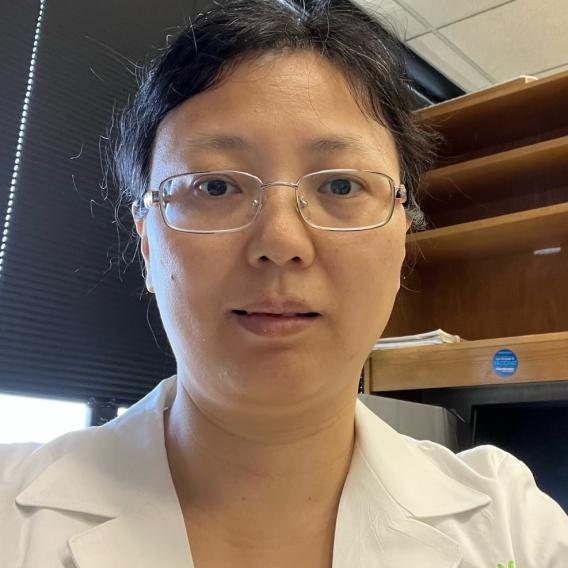
Yan Fan
Research Scientist

Manjeet Singh
Graduate Student
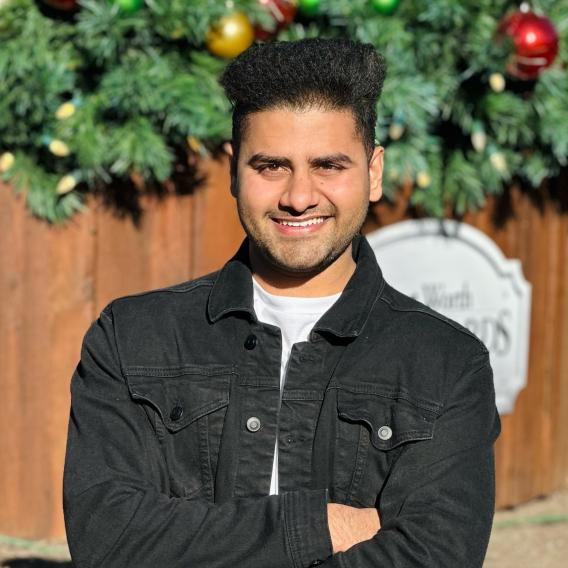
Andres Saez
Medical Rotation Student
Juan Bayona
Rotation Student
Qing-Jun Zhang
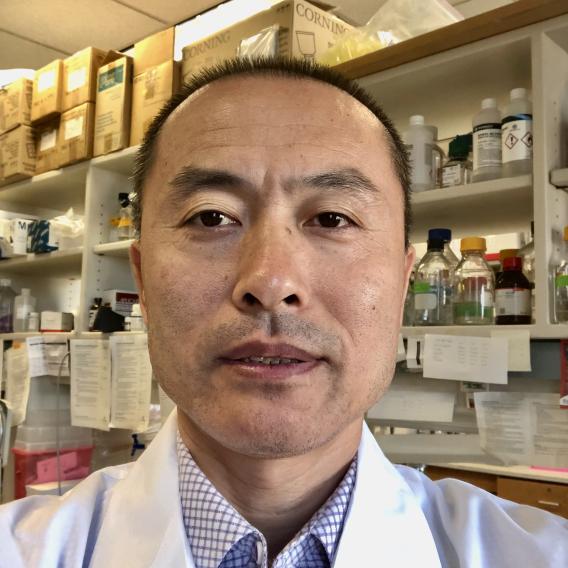
Adrian Gaspar
Research Intern

Stella Shen
High School Intern

Past Members
- Gonzalo Barraza (2007)
- Helena Yu (2014, 2015)
- Jason Gao (2018)
-
Qun Wei (2008-2010) ZheJiang University
-
Zhenhua Zhang (2015-2016) Sun-Yat-sen University
-
Jun Lu (2017-2019) Sun-Yat-sen University
-
Yanping Liang (2018-2019) Sun-Yat-sen University
-
Zihao Fang (2018-2019) Sun-Yat-sen University
- Hao Li, PhD (2005-2008) Current position: Professor, NanJing Medical University, China. Dr. Li won a 2006 Keystone Symposia scholarship on Atherothrombosis and Molecular Biology of the Vasculature.
- Wen Zhou, MD, PhD (2006-2009) Current position: Medical Director, Takeda Pharmaceuticals, North America. Dr. Zhou won a 2009 Keystone symposia scholarship on Innate, Adaptive and Regulatory Immune Response to Intestinal Microbiota scholarship and her work was selected for oral presentation.
- Weining Wang, PhD (2006-2007) Current position: UT Dallas
- Kanchan Bhatia, PhD (2008-2009) Current position: Georgia Health Science University
- JinWu Dong, MD, PhD (2009-2010) Current position: Professor, Internal Medicine-Nephrology
- Lin Wang, MD, PhD (2010-present) Current position: Research Associate, UT Southwestern
- Min Zhu, PhD (2009-2015) Current position: Research Associate, UT Southwestern. Dr. Zhu was an AHA post-doctoral fellow
- Qing-Jun Zhang, PhD (2006-2013) Current position: Research Scientist, UT Southwestern
- Lingling Duan, PhD (2012-2017) Current position: Research Associate, UT Southwestern
- Qun Wei, MD, PhD (2013-2016) Current position: Associate professor, Sir Ron Ron Shaw hospital, Zhejiang University
- Yongnan Li, MD, PhD (2017-2019) Current position: Shengjing Hospital of China Medical University
- Yu He, MD, PhD (2018-2020) Current position: First Affiliated hospital of Guangxi Medical University
- Yong Fang, MD (2020-2021) Current position: First Affiliated hospital of Sun Yat-sen University
Featured Publications
- Kim, M., Nikouee, A., Sun, Y., Zhang, Q.-J., Liu, Z.-P., & Zang, Q. S. (2022). Parkin deficiency exacerbates damage of myocardial mitochondria-associated membranes and introducing mutation W402A in Parkin is unable to alleviate cardiomyopathy during endotoxemia. Frontiers in Cell and Developmental Biology.
- Zhang, Q.-J., He, Y., Li, Y., Shen, H., Lin, L., Zhu, M., Wang, Z., Luo, X., Hill, J. A., Cao, D., McAnally, J., Liao, J., Bajona, P., Zang, Q. S., Yu, Y., & Liu, Z.-P. (2021). Matricellular protein Cilp1 promotes myocardial fibrosis in response to myocardial infarction. Circulation Research, 129(11), 1021–1035.
- Huen, S. C., Wang, A., Feola, K., Desrouleaux, R., Luan, H. H., Hogg, R., Zhang, C., Zhang, Q.-J., Liu, Z.-P., & Medzhitov, R. (2021). Hepatic FGF21 mediates tissue tolerance during bacterial inflammation by preserving thermoregulation and cardiovascular function. Journal of Experimental Medicine, 218(10), e20202151.
- Wang, S., Han, L., Han, J., Li, P., Ding, Q., Zhang, Q.-J., Liu, Z.-P., Chen, C., & Yu, Y. (2019). Uncoupling of PARP1 trapping and inhibition using selective PARP1 degradation. Nature Chemical Biology, 15(12), 1223–1231.
- Duan, L., Chen, Z., Lu, J., Liang, Y., Wang, M., Roggero, C. M., Zhang, Q. J., Gao, J., Fang, Y., Cao, J., Lu, J., Zhao, H., Dang, A., Pong, R. C., Hernandez, E., Chang, C. M., Hoang, D. T., Ahn, J. M., Xiao, G., Wang, R. T., … Liu, Z. P. (2019). Histone lysine demethylase KDM4B regulates the alternative splicing of the androgen receptor in response to androgen deprivation. Nucleic acids research, 47(22), 11623–11636.
- Wang, J., Zhang, Q.-J., Pirolli, T. J., Liu, Z.-P., Powell, L., Thorp, E. B., Jessen, M., & Forbess, J. M. (2019). Cardio-omentopexy reduces cardiac fibrosis and heart failure after experimental pressure overload. The Annals of Thoracic Surgery, 107(5), 1448–1455.
- Wei, Q., Gu, Y.-F., Zhang, Q.-J., Yu, H., Peng, Y., Wang, R., Yu, K., Liu, T., & Liu, Z.-P. (2018). LZTFL1/BBS17 controls energy homeostasis by regulating leptin signaling in hypothalamic neurons. Journal of Molecular Cell Biology, 10(5), 402–410.
- Zhang, Q.-J., Tran, T. A. T., Wang, M., Ranek, M. J., Kokkonen-Simon, K. M., Gao, J., et al., & Liu, Z.-P. (2018). Histone lysine dimethyl-demethylase KDM3A controls pathological cardiac hypertrophy and fibrosis. Nature Communications, 9, 5230.
- Sun, Y., Yao, X., Zhang, Q.-J., Zhu, M., Liu, Z.-P., Ci, B., et al., & Zang, Q. S. (2018). Beclin-1-dependent autophagy protects the heart during sepsis. Circulation, 138(20), 2247–2262.
- Chen, Z., Yu, T., Zhou, B., Wei, J., Fang, Y., Lu, J., Guo, L., Chen, W., Liu, Z. P., & Luo, J. (2016). Mg(II)-catechin nanoparticles delivering siRNA targeting EIF5A2 inhibit bladder cancer growth in vitro and in vivo. Biomaterials, 81, 125–134.
- Meng, X. L., Day, T. S., McNeill, N., Ashcraft, P., Frischmuth, T., Cheng, S. H., Liu, Z.-P., Shen, J. S., & Schiffmann, R. (2016). Molecular basis for globotriaosylceramide regulation and enzyme uptake in Fabry mouse endothelial cells. Journal of Inherited Metabolic Disease, 39(3), 447–455.
- Zhang, X., Cui, M. M., Fu, S., Li, L. L., Liu, Y. S., Liu, Z.-P., Liu, T. M., Wang, R. T., & Yu, K. J. (2017).
Platelet distribution width correlates with prognosis of gastric cancer. Oncotarget. - Yu, Y. J., Li, N., Yun, Z. Y., Niu, Y., Xu, J. J., Liu, Z.-P., Liu, T., Wang, R. T., & Yu, K. J. (2017).
Preoperative mean platelet volume and platelet distribution associated with thyroid cancer.
Neoplasma, 64. - Yamashiro, Y., Papke, C. L., Kim, J., Ringuette, L. J., Zhang, Q.-J., Liu, Z.-P., Mirzaei, H., Wagenseil, J. E., Davis, E. C., & Yanagisawa, H. (2015).
Abnormal mechanosensing and cofilin activation promote the progression of ascending aortic aneurysms in mice. Science Signaling, 8, ra105. - Zhu, M., Goetsch, S. C., Wang, Z., Luo, R., Hill, J. A., Schneider, J., Morris, S. M., Jr., & Liu, Z.-P. (2015).
FoxO4 promotes early inflammatory response upon myocardial infarction via endothelial Arg1. Circulation Research, 117, 967–977. - Duan, L., Rai, G., Roggero, C., Zhang, Q.-J., Wei, Q., Ma, S. H., Zhou, Y., Santoyo, J., Martinez, E. D., Xiao, G., Raj, G. V., Jadhav, A., Simeonov, A., Maloney, D. J., Rizo, J., Hsieh, J. T., & Liu, Z.-P. (2015).
KDM4/JMJD2 histone demethylase inhibitors block prostate tumor growth by suppressing the expression of AR‑ and BMYB‑regulated genes. Chemistry & Biology, 22, 1185–1196. - Wei, Q., Chen, Z., Wang, L., Zhang, T., Duan, L., Behrens, C., Wistuba, I. I., Minna, J. D., Gao, B., Luo, J., & Liu, Z.-P. (2015).
LZTFL1 suppresses lung tumorigenesis by maintaining differentiation of lung epithelial cells. Oncogene. PMID: 26364604 - Shen, J. S., Meng, X. L., Wight‑Carter, M., Day, T., Goetsch, S., Forni, S., Schneider, J., Liu, Z.-P., & Schiffmann, R. (2015).
Blocking hyperactive androgen receptor signaling ameliorates cardiac and renal hypertrophy in Fabry mice. Human Molecular Genetics, 24, 3181–3191. - Zhang, Q.-J., & Liu, Z.-P. (2015).
Histone methylations in heart development, congenital and adult heart diseases. Epigenomics, 7, 321–330. - Wang, L., Guo, J., Wang, Q., Zhou, J., Xu, C., Teng, R., Chen, Y., Wei, Q., & Liu, Z.-P. (2014).
LZTFL1 suppresses gastric cancer cell migration and invasion through regulating nuclear translocation of β‑catenin. Journal of Cancer Research and Clinical Oncology, 140, 1997–2008. - Zhu, M., Zhang, Q. J., Wang, L., Li, H., & Liu, Z. P. (2011).
FoxO4 inhibits atherosclerosis through its function in bone marrow derived cells. Atherosclerosis, 219(2), 492–498. - Zhang, Q.-J., Chen, H.-Z., Wang, L., Liu, D.-P., Hill, J. A., & Liu, Z.-P. (2011).
The histone trimethyllysine demethylase JMJD2A promotes cardiac hypertrophy in response to hypertrophic stimuli in mice. Journal of Clinical Investigation, 121, 2447–2456. PMCID: PMC3104772 - Wei, Q., Zhou, W., Wang, W., Gao, B., Wang, L., & Liu, Z.-P. (2010).
Tumor suppressive function of leucine zipper transcription factor-like 1. Cancer Research, 70, 2942–2950.
Contact Us
Zhi-Ping Liu, Ph.D.
Associate Professor
Internal Medicine - Cardiology
Molecular Biology
UT Southwestern Medical Center
6000 Harry Hines Blvd
Dallas, Texas 75390
Get directions
Phone: 214-648-1485
Email