Mood Disorders Research
Developing a Biosignature for Depression
The Texas-Resilience Against Depression (T-RAD) program collects genetic, clinical, demographic, behavioral, and biological information from individuals at risk and those who have been diagnosed with depression or bipolar disorder. Through this 10-year program of 5,000 people, we hope to determine how best to treat and reduce the risk of mood disorders.
Not all depressed patients respond well to the same treatments, so it’s important to identify the right treatment for the right patient as quickly as possible. To replace the current “trial and error method” of treating depression, we hope to identify biosignatures – a collection of genetic, clinical, demographic, behavioral, and biological markers to determine which treatment methods might be best for individual patients.
Mood Disorders Research
Real People, Real Research
Major depression will affect 1 in 20 individuals in the United States this year and is the leading cause of disability worldwide. Increased depression severity is associated with poorer work productivity, functioning, general health, quality of life, life satisfaction, and well-being. To date, there are no effective biological methods to diagnose and assess depression or treatment response.
Dallas 2K Study
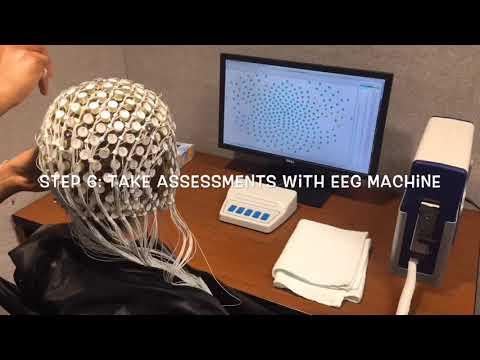
The D2K study is a long-term study researching the biological mechanisms of depression and antidepressant treatment response. The D2K study is comprised of 2,000 participants, over 10 years of age, with a lifetime or current diagnosis of a mood disorder. Researchers will collect socio-demographic and clinical data, cognitive and psychological assessments, fluid-based biomarkers (blood, urine, saliva), neuroimaging, and EEG. With this information, we hope to create a biosignature to aid in treatment selection and to identify a universal test for depression.
If you would like to participate in this study, complete our form.
Resilience in Adolescent Development Study
Resilience in Adolescent Development (RAD) is a 10-year study of 1,500 participants (ages 10-24) that will help uncover the factors that contribute to resilience among children, adolescents, and young adults at risk for mood and anxiety disorders.
If you would like to participate in this study, complete our form.





Stay Connected
Be part of the great impact we're having on science and medical care across the globe.