Stefan Gloeggler, Ph.D.
Head of the Advanced Integrative Molecular Probe Initiative.
Joining the powers of chemistry, physics and magnetic resonnce to understand diseases: The Gloeggler lab pursues a unique interdisciplinary approach developing methods and molecular probes on the mission to provide insights about diseases before they affect human health.
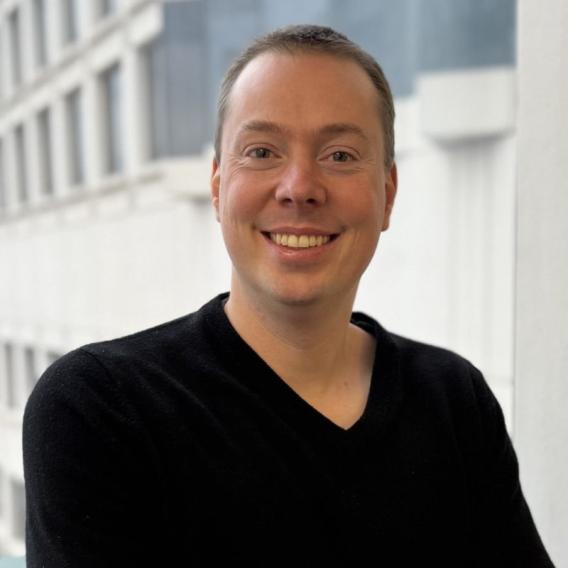
Martin Pomper, M.D., Ph.D.
We synthesize and translate a variety of molecular imaging agents and theranostics for cancer, central nervous system disease, inflammation, and other disorders. Through our NIH P41 dissemination program we share these agents in collaboration with investigators worldwide who further help refine them. We are constrained neither by imaging modality nor by the type of affinity agent, i.e., biological (antibody, nanobody), peptide or small molecule, but focus on the last for most rapid translation.
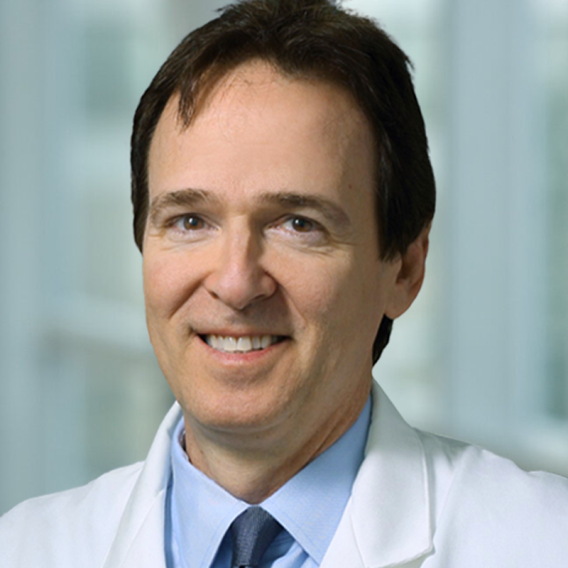
Sam Achilefu, Ph.D.
Harnessing the power of light to develop methods to understand, diagnose, & treat diseases. The unique strength of the Achilefu Lab is the ability to develop complete solutions from conception, implementation, and validation to human clinical care. We aim to change the way medicine is practiced.

Xiankai Sun, Ph.D.
Dr. Sun’s research focuses on the design and development of theranostic agents for early detection of diseases and noninvasive evaluation of therapeutic interventions. Endowed with the Dr. Jack Krohmer Professorship in Radiation Physics, he directs the Cyclotron and Radiochemistry Program and the Small Animal Imaging Shared Resource at UT Southwestern.
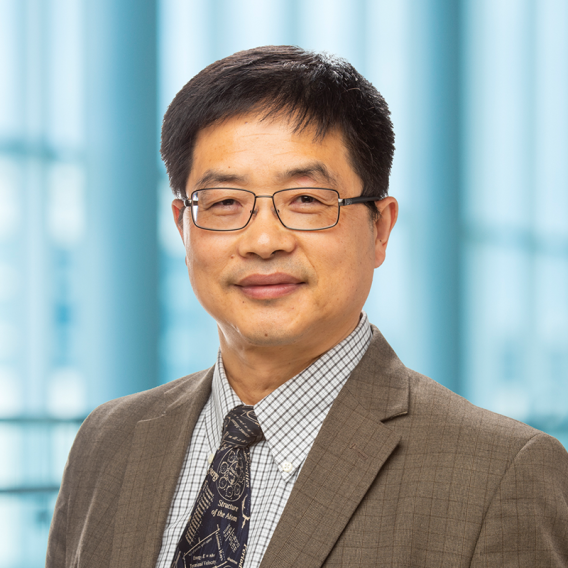
Jacques Lux, Ph.D.
Dr. Jacques Lux is Associate Professor of Radiology and Biomedical Engineering and Director of Ultrasound Research. His research advances molecular imaging through the design of smart ultrasound contrast agents, from early pH- and enzyme-responsive systems to a current focus on targeted platforms for imaging and therapeutic drug delivery.
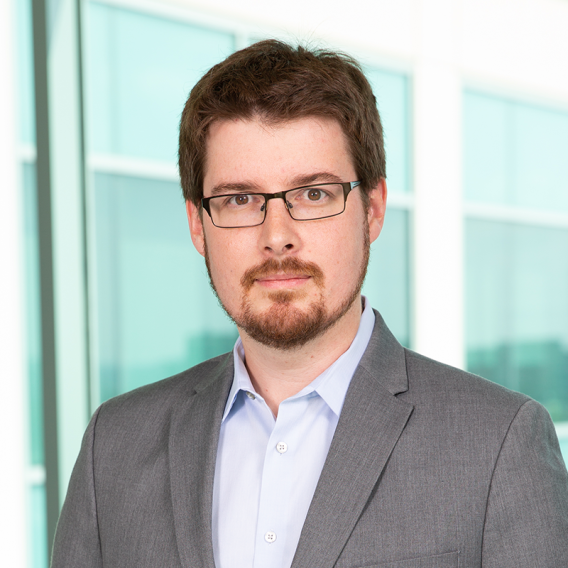
Wenhong Li, Ph.D.
Developing fluorescent probes and techniques for monitoring cellular biochemistry and zinc activity. Leveraging the high sensitivity and contrast of fluorescence imaging to guide engineering targeted drug delivery platforms.
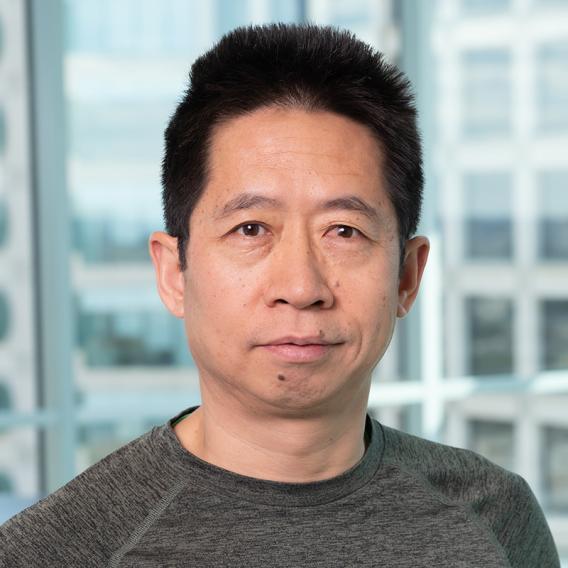
Caroline de Gracia Lux, Ph.D.
Dr. de Gracia Lux's research focuses on the development of advanced ultrasound-based platforms, such as phase-change contrast agents, bioresponsive microbubbles, and liver phantoms that mimic the size of fat vesicles observed in metabolic dysfunction-associated steatotic liver disease (MASLD). Her long-term goal is to enhance clinicians’ capabilities in disease detection and treatment through innovative ultrasound imaging technologies.

Li Liu, Ph.D.
Dr. Liu’s research focus on the development of multimodal, image-guided combination treatment strategies, including heme-targeting and vascular-disrupting approaches, aimed at overcoming therapeutic resistance driven by the tumor microenvironment.
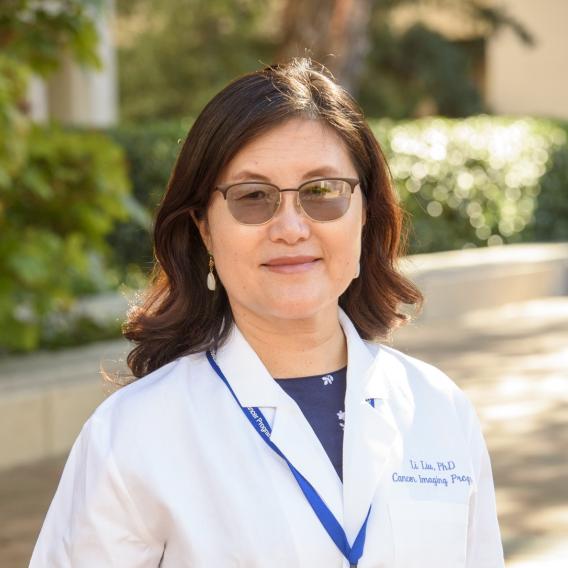
Wojciech Lesniak, Ph.D.
Dr. Lesniak’s research focuses on developing molecular imaging and theranostic agents for the diagnosis and treatment of cancer. By combining advanced imaging technologies with targeted delivery systems, he aims to enhance treatment precision and effectiveness, ultimately supporting the development of personalized approaches in oncology.
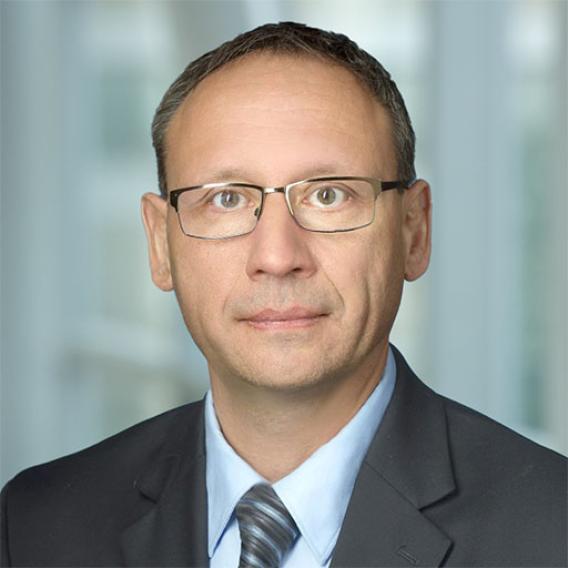
Zoltan Kovacs, Ph.D.
Dr. Kovacs’ reserach focuses on generating hyperpolarized compounds for magnetic resonance spectroscopy (MRS) and imaging (MRI) of nuclei other than 1H. In particular, he designs hyperpolarized ¹³C-labeled tracers to quantify molecular flux through metabolic pathways in both healthy and diseased tissues.

Jae Mo Park, Ph.D.
Dr. Park's research focuses on developing novel, noninvasive MR imaging approaches to characterize in vivo metabolism and function in normal physiology and disease. His lab integrates hyperpolarized 13C/15N MR spectroscopic imaging, advanced metabolic MRI techniques, and isotopomer and mass spectrometry analyses to study metabolic processes across major organ systems in animals and humans, with the ultimate goal of translating stable isotope-labeled imaging agents into clinical applications.

Shariq Ali, M.D., Ph.D.
Dr. Ali is an abdominal imaging fellow in the Department of Radiology and a member of the TRUST program. His research is focused on characterizing the biosensitive properties of ultrasound contrast agents and harnessing these phenomena to develop innovative molecular imaging strategies using ultrasound. In parallel, he investigates next-generation delivery platforms for ultrasound-mediated drug delivery.
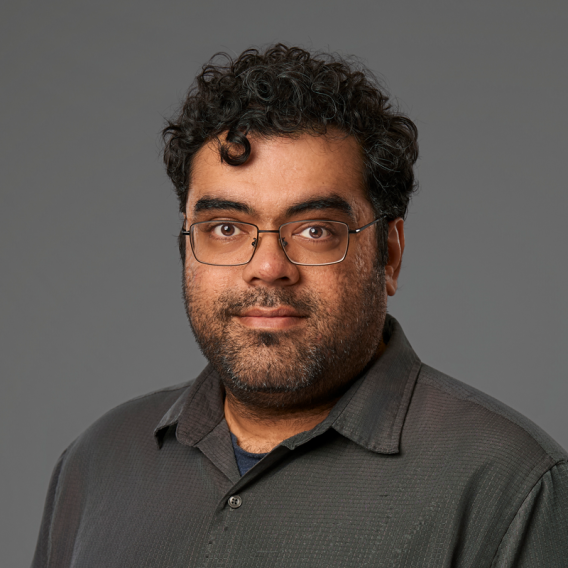
Abd El Kareem Azab, Ph.D.
Dr. Azab’s current and future research focuses on development of novel pan-cancer immunotherapeutic strategies, over-coming TME-induced drug resistance, nanoparticles for cancer theranostics, biodegradable drug eluting implants for localized tumor control, and tissue engineered ex-vivo models for personalized cancer therapy.

Sashi Debnath, Ph.D.
Advancing radiopharmaceutical innovation from bench to bedside, Dr. Sashi Debnath brings deep expertise in theranostic PET tracer development and translational radiochemistry. His work bridges preclinical discovery and clinical application, driving next-generation imaging and precision cancer therapies

Aditi Mulgaonkar, Ph.D.
Dr. Mulgaonkar's professional expertise encompasses FDA regulatory affairs with a focus on the scientific, policy, and compliance considerations that shape radiopharmaceutical product development. Her research interests include translational development of novel molecular imaging probes for infectious diseases, with an emphasis on improving diagnostic accuracy, enabling earlier detection in precision medicine and advancing mechanistic insight into pathogen biology.

Paulina Gonzalez, Ph.D.
Paulina Gonzalez brings expertise in bioinorganic chemistry and AI-driven imaging probe design. She tests and helps develop advanced algorithms, synthesizes and biologically evaluate targeted PET imaging probes.
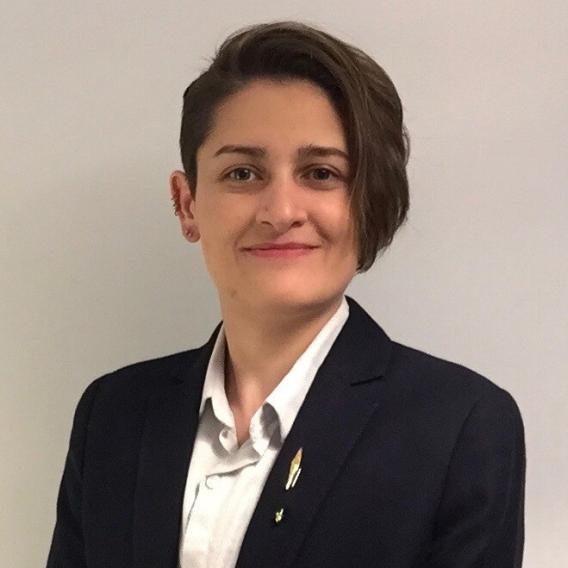
Guiyang Hao, Ph.D.
Dr. Hao designs and evaluate molecular imaging probes for cancer, neurological disorders, and cardiovascular/metabolic diseases via positron emission tomography (PET), single photon emission computed tomography (SPECT), and fluorescence imaging
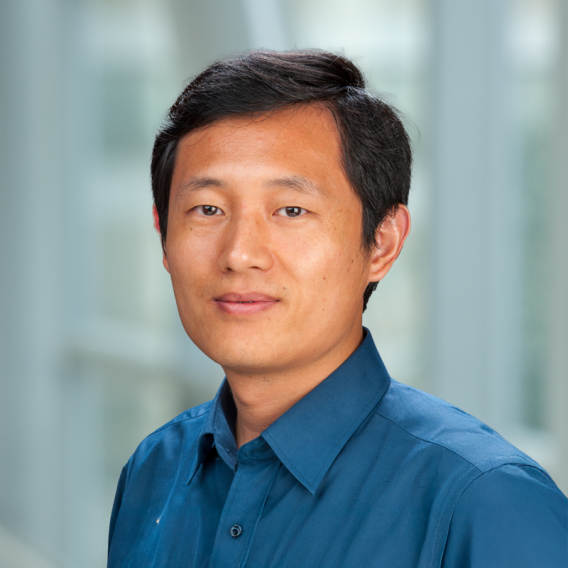
Il Minn, Ph.D.
Dr. Minns research focuses on elucidating the biology of human cancers and translating these insights into the development of new molecular theranostic tools, including imaging agents, in vitro diagnostics, various screening platforms, and therapeutic drugs. By leveraging multidisciplinary approaches encompassing synthetic biology, molecular imaging, radiotherapy, and nanotechnology, my work aims to bridge fundamental cancer biology with clinical application. Ongoing research efforts focus on molecular-genetic reporter systems for cancer theranostics, real-time imaging agents for monitoring therapeutic immune cells, multimodal imaging probes for image-guided surgery, cancer organoid platforms for theranostic agent evaluation, and radiopharmaceutical therapies.
