The Davis Laboratory studies how cells preserve genomic and cellular integrity in response to genotoxic, environmental, and metabolic stress.
We seek to understand how stress response pathways coordinate DNA repair, genome maintenance, cellular signaling, and metabolic adaptation, and how defects in these processes drive cancer development, therapeutic resistance, and radiation susceptibility. Our long-term goal is to translate these discoveries into new strategies for precision radiotherapy, cancer therapy, and radiation risk prediction.
Meet the PI
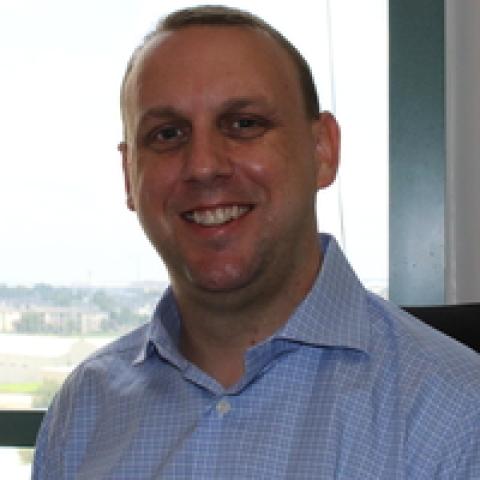
Anthony Davis, Ph.D.
Dr. Davis received bachelor of science degrees in both biochemistry and microbiology from the University of Oklahoma in 1999. He attended graduate school at UT Southwestern Medical Center (UTSW) and earned his Ph.D. in cell and molecular biology under the mentorship of Marc Mumby, Ph.D., in the Department of Pharmacology. His graduate research focused on the role of protein phosphatase 2A in regulating the early steps of DNA replication.
Dr. Davis performed postdoctoral research under the guidance of David J. Chen, Ph.D., in the Department of Radiation Oncology at UT Southwestern. There, he investigated the cellular response to DNA double-strand breaks (DSBs). In particular, he focused on examining the role that the DNA-dependent protein kinase complex plays in modulating DSB repair pathway choice.
Dr. Davis established his independent research program at UTSW in 2016 in the Section of Molecular Medicine within the Department of Radiation Oncology. His laboratory investigates the molecular mechanisms that govern cellular responses to DNA damage, radiation exposure, replication stress, and metabolic stress. His current research focuses on understanding how stress response pathways maintain genome stability, regulate cellular signaling and metabolism, and influence radiation response, therapeutic resistance, and cancer development. By integrating mechanistic studies with translational approaches, his group seeks to identify biomarkers of radiation susceptibility and novel therapeutic vulnerabilities that can be exploited to improve radiotherapy and cancer treatment.
Get Involved
Meet the Team
Get to know our Principal Investigator and team of researchers.
See Lab Members & Alumni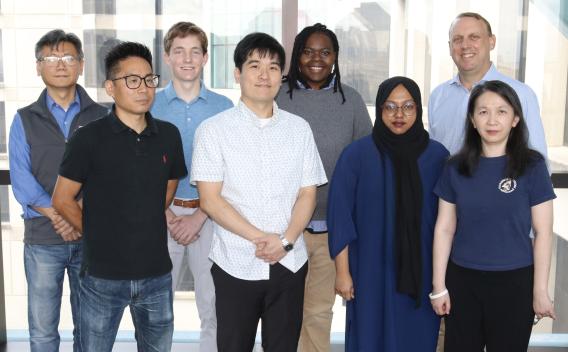
Join Our Lab
If you're interested in joining our team, please reach out to learn more about open positions.
Explore Opportunities
Collaborate with Us
Interested in our research? Get in touch to learn more or find out ways to collaborate.
Get in Touch