Research

Overview

Dr. Kelesidis’ lab integrates both basic and translational research platforms with the goal to apply tools from multiple fields, such as immunology, virology, molecular biology, and medicine, to understand the immunopathogenesis of infectious diseases and associated end organ disease. Our vision is to define the mechanistic links among viral infections, such as HIV, respiratory viral infections, oxidative stress, inflammation, and end-organ disease, such as cardiovascular disease. These findings may lead to the development of novel therapeutic interventions that might improve the prognosis of patients infected with viruses such as HIV.
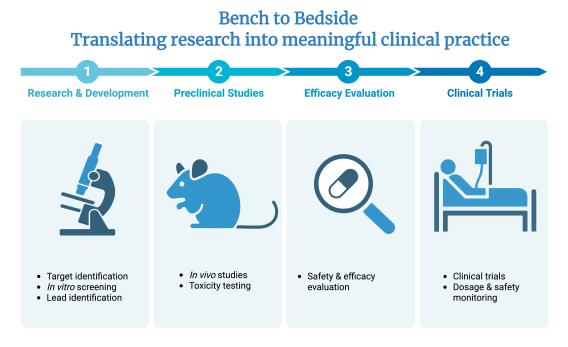
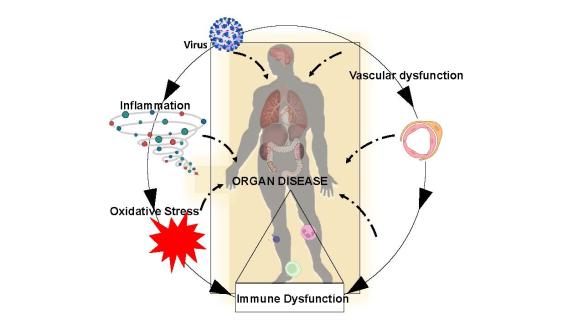
Diagram titled ‘Bench to Bedside: Translating research into meaningful clinical practice’ showing four sequential stages: Research and Development with a microscope icon and bullet points for target identification, in vitro screening, and lead identification; Preclinical Studies with a mouse icon and bullet points for in vivo studies and toxicity testing; Efficacy Evaluation with a magnifying glass and pill icon and a bullet point for safety and efficacy evaluation; and Clinical Trials with a hospital bed icon and bullet points for clinical trials and dosage and safety monitoring.

Project: Immunopathogenesis of chronic HIV infection and associated end-organ damage
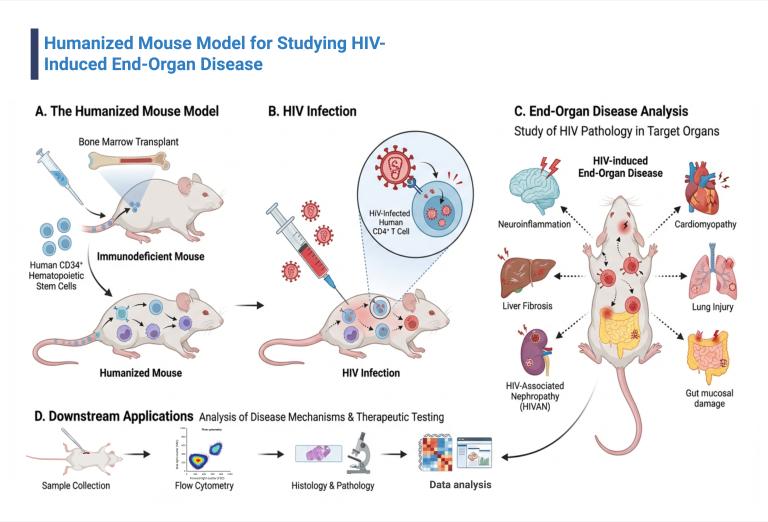
Infographic titled ‘Humanized Mouse Model for Studying HIV‑Induced End‑Organ Disease’ showing four sections.

Our current work focuses on HIV-1 related inflammation, oxidative stress, and immune dysfunction, and the development of novel antioxidant and anti-inflammatory therapeutic modalities for end-organ disease and premature aging associated with chronic HIV-1 infection.

Project: Cardiovascular and metabolic disease in HIV infected and uninfected persons
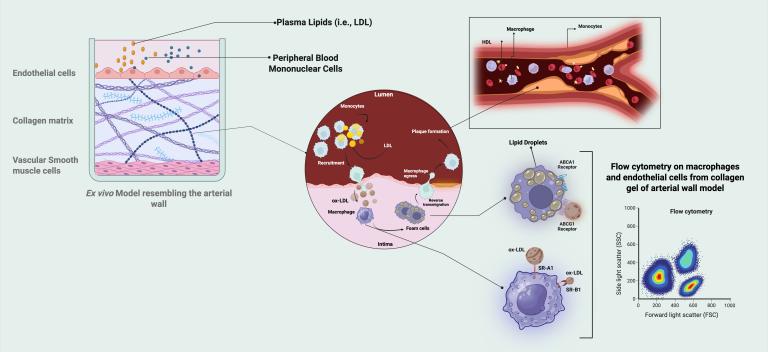
Scientific diagram of an ex vivo arterial wall model illustrating mechanisms of atherosclerosis. On the left, a layered model shows endothelial cells, collagen matrix, and vascular smooth muscle cells exposed to plasma lipids and peripheral blood mononuclear cells. In the center, a cross‑section of the vessel lumen shows LDL entering the intima, monocyte recruitment, macrophage uptake of oxidized LDL, and formation of foam cells beneath the endothelium. At the top right, a simplified blood vessel image shows macrophages and monocytes within a lipid‑rich plaque. On the right, schematics show macrophages containing lipid droplets with labeled receptors and a flow cytometry plot labeled analysis of macrophages and endothelial cells from the arterial wall model.

Our research has contributed to the understanding of how oxidative stress, inflammation, and immune dysfunction contribute to the development of atherosclerotic cardiovascular disease (CVD) and metabolic disease in both HIV uninfected and infected persons.

Project: Development of novel therapies for respiratory viral infections
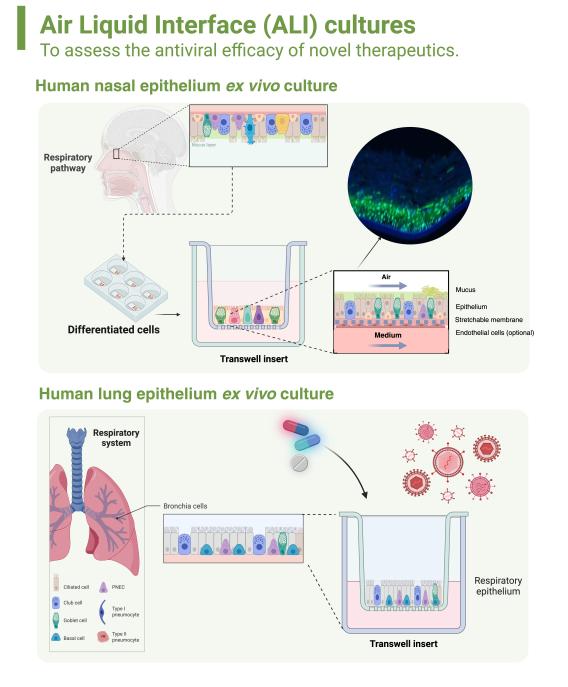
Infographic titled ‘Air Liquid Interface (ALI) cultures’ describing ex vivo human airway epithelial models used to assess antiviral efficacy. The top section shows a human nasal epithelium culture, with cells derived from the respiratory pathway differentiated on a Transwell insert exposed to air above and culture medium below, producing mucus and showing a ciliated epithelial layer. A circular microscopy image illustrates differentiated epithelial cells. The bottom section shows a human lung epithelium culture, with bronchial cells cultured on a Transwell insert to model the respiratory epithelium and exposed to viral particles and therapeutic compounds. Together, the diagram illustrates ALI culture systems for studying respiratory infection and treatment responses.

Our current research focuses on developing novel host antiviral and anti-inflammatory therapeutics for respiratory viral infections, including SARS-CoV-2 and influenza.