Testimonials
“The DSSR fellowship provided an outstanding training experience, enabling me to progress from limited exposure to advanced genomic and spatial transcriptomics analyses. It significantly shaped my development as a data-driven researcher.”
- Ryan Heslin, M.D. (PGY4 Resident, PI: Sam Wang, M.D.)
“The DSSR fellowship offered a highly supportive training environment, allowing me to develop multimodal spatial transcriptomics workflows and apply them to patient data. It greatly accelerated both my training and thesis work.”
- Shawn Huang (MD/PhD Student, PI: Isaac Chan, M.D., Ph.D.)
Third Cycle [September 2025 - June 2026]
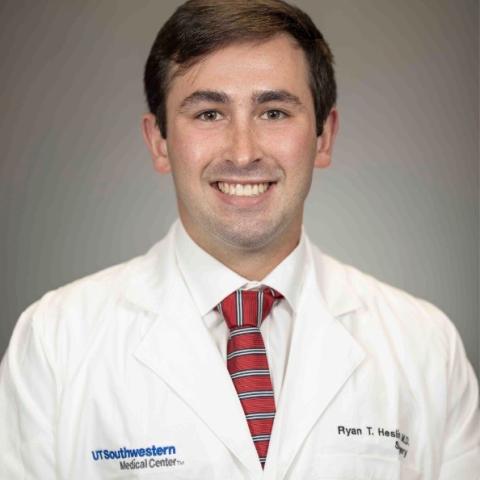
Ryan Heslin
Ryan Heslin is a PGY4 general surgery resident working under Dr. Sam Wang as a surgical oncology research fellow. He is additionally embedded in the Simmons Cancer Center Data Science Shared Resource with Dr. Jeon Lee where he focuses on applications of Next Generation Sequencing in translational and basic science settings. He is funded through the UTSW Medical Doctor Scientist Training Program and the Burroughs-Wellcome TARDIS grant. His research focuses include exposure and ancestry-based tumorigenesis, epigenetics and resistance mechanisms associated with chemo and immunotherapy.
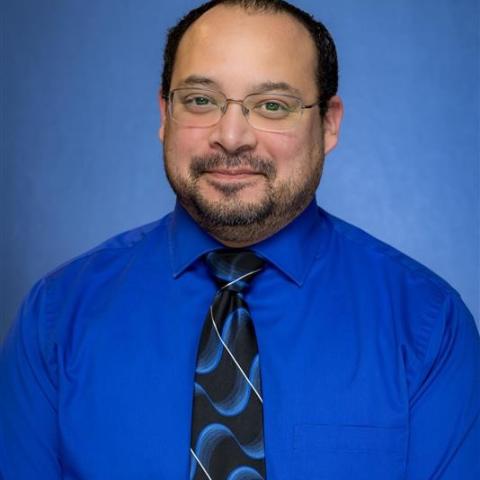
Daniel J. Ulribe
Daniel J. Uribe is a 2nd year student in the Health Data Science PhD program working under Dr. Sandi Pruitt in the O’Donnell School of Public Health. His research focuses on multiple primary cancers.
Second Cycle [September 2024 - June 2025]

Shao-Po (Shawn) Huang - Fellowship extended to June 2026
Shao-Po (Shawn) Huang is a Perot Family Scholars MD/PhD student in Dr. Isaac Chan’s lab and a Data Science Shared Resource (DSSR) Fellow. He earned his B.S. with honors in Biomedical Engineering at the University of Texas at Austin in 2020. After graduating, he worked for two years as a scientist in biotechnology discovery research at Eli Lilly and Co., where he contributed to projects relating to diabetes and immunology. Shawn’s current research involves investigating intratumoral heterogeneity and the mechanisms by which it influences immune response and surrounding healthy tissue homeostasis in metastatic breast cancer. He will build upon the lab’s prior bioinformatics work, which established the largest reference single-cell RNA-seq atlas of primary breast tumor and demonstrated that intratumoral heterogeneity, represented as 10 gene elements (GEs), can be used to predict patient response to anti-PD1 immunotherapy (Xu, Saunders, and Huang et al., Cell Reports Medicine, 2024). As a DSSR Fellow, Shawn aims to develop an advanced spatial transcriptomics analytical pipeline that integrates Xenium and Visium data in order to interrogate differences in GE composition and its impact on the role of NK cells in the breast tumor primary site versus metastatic sites in the liver.
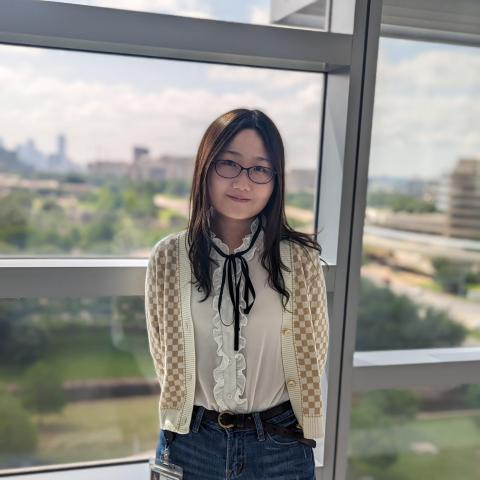
Qiuyun Pan
Qiuyun is a PhD student in the Zhong Lab and a DSSR fellow. She completed her B.S. in Biology at Indiana University in Bloomington and her M.S. in Biomedical Engineering at Washington University in St. Louis. During her DSSR fellowship, Qiuyun is delving into the mechanisms by which obesity leads to chronic liver inflammation and hepatocellular carcinoma, specifically focusing on the hypernutrition-induced dysregulation of liver macrophages. Furthermore, she is investigating how obesity causes enduring epigenetic changes in hematopoietic stem and progenitor cells, influencing gene expression in mature myeloid cells. These changes persist even after weight loss and may increase susceptibility to liver tumorigenesis upon returning to normal weight.
First Cycle [January 2024 - June 2024]
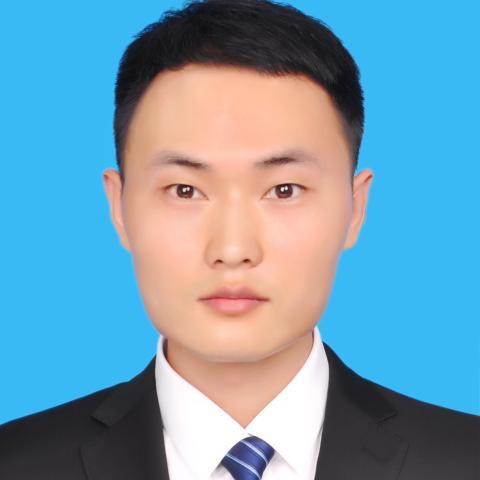
Short placeholder heading
Boyuan Li earned his PhD from Peking University. His dissertation focused on 3D genome structure, epigenomics, and transcription regulation. With his current DSSR Fellowship, he plans to perform and analyze cell-free DNA sequencing to detect somatic mutations in patients with liver cirrhosis but not cancer. After completion of his Fellowship, he would like to expand his research to identify somatic mutations in liver disease and to develop an algorithm for detecting low-frequency mutations within barcode sequences of duplex molecules. Outside of his research and work, he enjoys swimming, traveling, reading, running, and playing chess.
Short placeholder heading
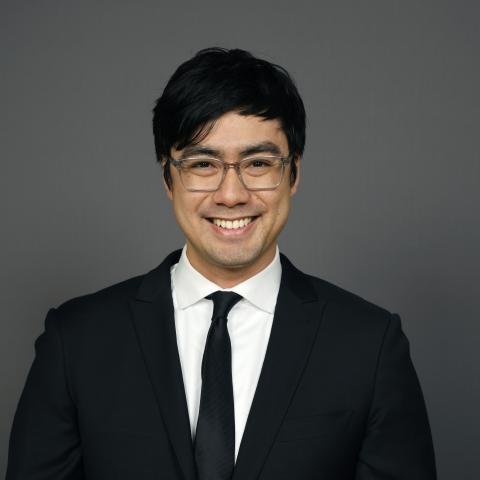
Peter is currently an MD/PhD student in the Aguilera Lab and a Data Science Shared Resource (DSSR) Fellow. Peter received his B.A. in biological sciences from the University of Chicago in 2018. After a year at the Navy Medical Research Center, Peter started medical school at UTSW in 2019 and joined Dr. Aguilera's Lab. After a dedicated research year in the lab as a UTSW Dean's Research Scholar, he then joined the Perot Family Scholars Medical Scientist MD/PhD Training Program in July of 2022. His current work as a PhD student and interests in computational analysis has led him to seek additional training as a DSSR Fellow. Peter’s current project in the DSSR fellowship involves analyzing nanobody (variable domain of camelid antibody) sequences that differentially bind to certain cell types, and identifying specific nanobodies that can functionally alter tumor-infiltrating immune cells to have more anti-cancer phenotypes. Additionally, Peter is working on a project to identify differences in RNA sequencing data and clinical outcomes from UTSW pancreatic cancer patients treated with different pre-surgical therapies. For these projects, Peter aims to enhance the INSPIRE-seq pipeline that his lab has developed (Sekar & Elchonaimy 2023 Nat Commun) to analyze these nanobody sequences, adding an additional capability of this pipeline to identify functionally active nanobodies. For his pancreatic cancer project, Peter will explore effects of different treatment modalities on RNA sequencing patterns in the tumor microenvironment and correlate those findings with clinical outcomes of these UTSW patients.