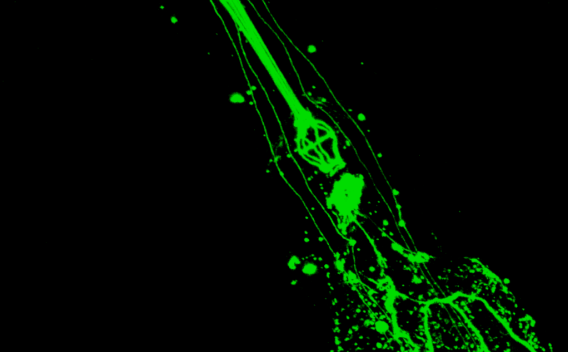
Research in the Douglas Lab seeks to understand how stress response pathways alter cell physiology, and ultimately influence the aging process and human disease. We can harness latent stress response pathways and apply their protective properties to a multitude of disease models.
News Updates
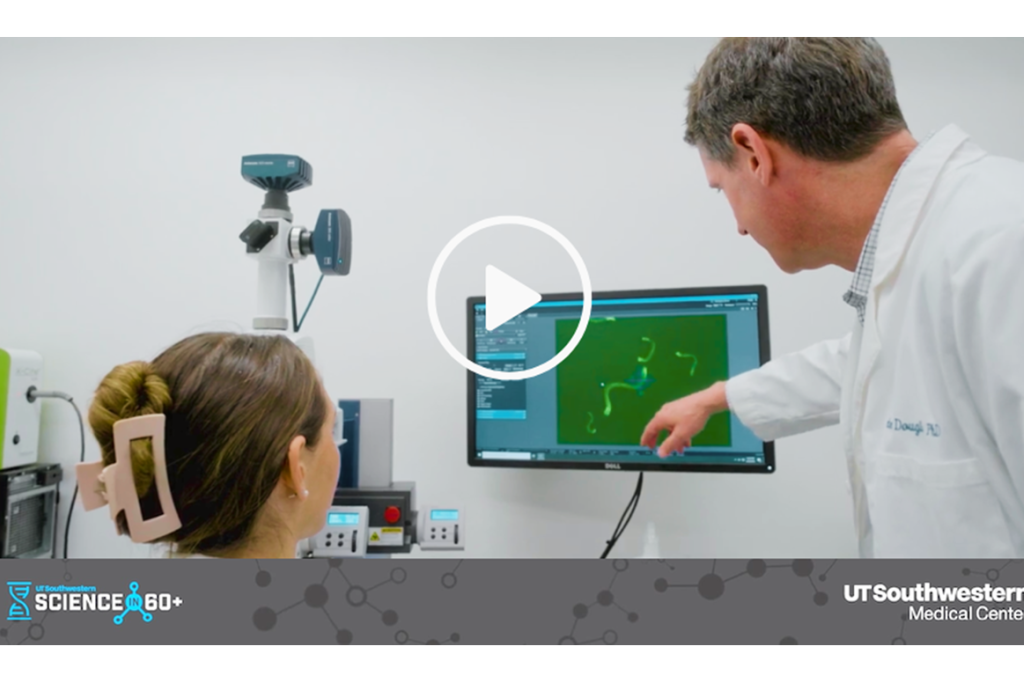 Unlocking the Secrets of Healthy Aging: What if fasting can help you live, not just longer, but healthier?
 Date: May 27 2026
In the latest Science in 60+, Peter Douglas, Ph.D., Associate Professor of Molecular Biology, explores how fasting may influence aging. His lab studies how the body breaks down fat during fasting, and, just as importantly, how it rebuilds those stores afterward. Using tiny, transparent worms called Caenorhabditis elegans, which share key metabolic functions with humans, researchers can watch these processes unfold in real time through fluorescent imaging. What they’re discovering is that the refeeding phase (when the body restores its fat) may be critical to unlocking the longevity benefits of fasting. The goal isn’t just to extend lifespan, but our health span – the number of healthy years we live. One day, this research could lead to therapies that deliver those benefits without the need to fast.
Watch the video linked here: Science in 60+: Life in the Fast Lane.
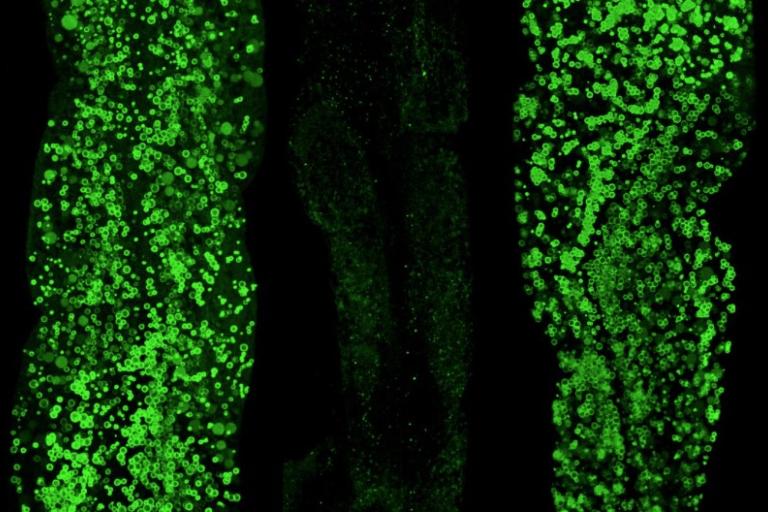 These images show how three Caenorhabditis elegans roundworms use and restore fat (green) during feeding, fasting, and refeeding: full when fed (left), reduced during fasting (middle), and rebuilt after refeeding (right). UT Southwestern researchers found that short fasting cycles can extend lifespan by over 60%, supporting longer, healthier life.
 Study explores why fasting can lead to a longer lifespan
Date: April 13, 2026
How the body efficiently pivots metabolically after the fast is key to boosting health, UTSW-led research suggests.
“Our discoveries shift the focus toward a neglected side of the metabolic coin – the refeeding phase. Our data suggest that the health-promoting effects of intermittent fasting are not merely a product of the fast itself, but are dependent on how the metabolic machinery recalibrates during the subsequent transition back to a fed state,” said study leader Peter Douglas, Ph.D., Associate Professor of Molecular Biology and a member of the Hamon Center for Regenerative Science and Medicine at UT Southwestern. Dr. Douglas co-led the study with Lexus Tatge, Ph.D., a former member of the Douglas Lab.
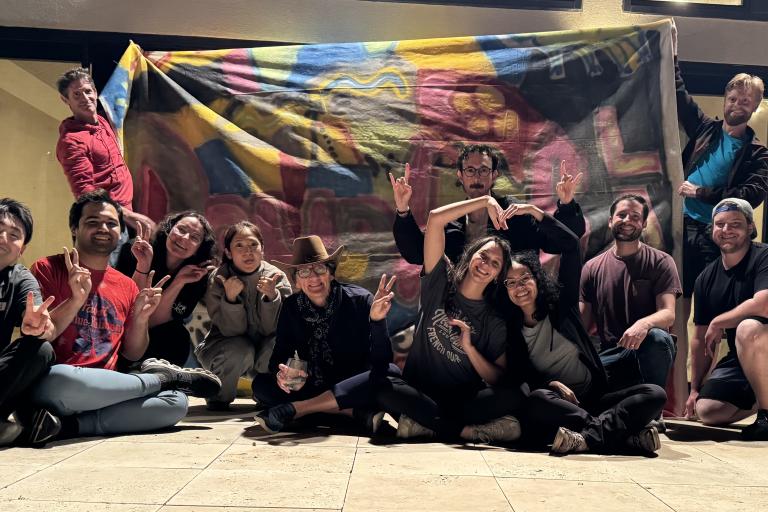
The Douglas Lab Celebrates 10 Years
Date: November 7, 2025
The Douglas Lab marked its 10th anniversary in scientific research by hosting its 5th DALLAS (Douglas AnnuaL Lipid Aging & Stress) Symposium in Texas, bringing together researchers, collaborators, and respected peers in the field of worm research to celebrate a decade of innovation. The event highlighted the lab’s key scientific achievements, showcased ongoing breakthroughs, and fostered meaningful discussions on the future of their research fields. The symposium served as both a milestone celebration and a forward-looking platform for new ideas and collaborations.

Surveillance pathway tells cells when they run low on lipids
Date: May 18, 2022
Source: UT Southwestern Medical Center
Summary: Researchers have discovered a molecular pathway that allows cells to sense when their lipid supplies become depleted, prompting a flurry of activity that prevents starvation. The findings might someday lead to new ways to combat metabolic disorders and a variety of other health conditions.
Meet the Principal Investigator
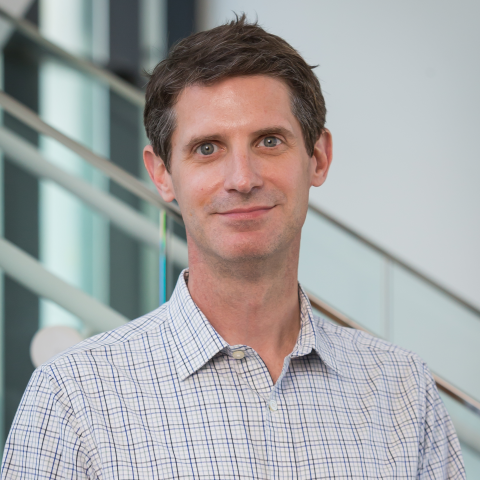
Peter Douglas, PhD
Dr. Douglas is a faculty member of the Hamon Center for Regenerative Science and Medicine (CRSM) in the Department of Molecular Biology and an integral part of the Genetics, Development and Disease (GDD), and Neuroscience Graduate Programs at UT Southwestern.
Get Involved
Meet the Team
Learn more about our lab members contributing to our pivotal research
See Lab Members & Alumni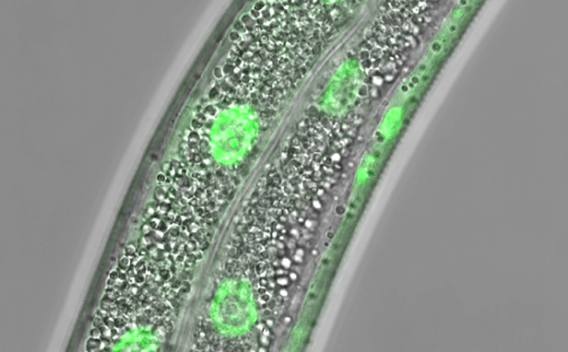
Join Our Lab
We are currently seeking postdoctoral researchers and graduate students
Explore Opportunities
Collaborate with Us
Reach out to us for more information on getting involved with our research.
Get in Touch