Meet the PI
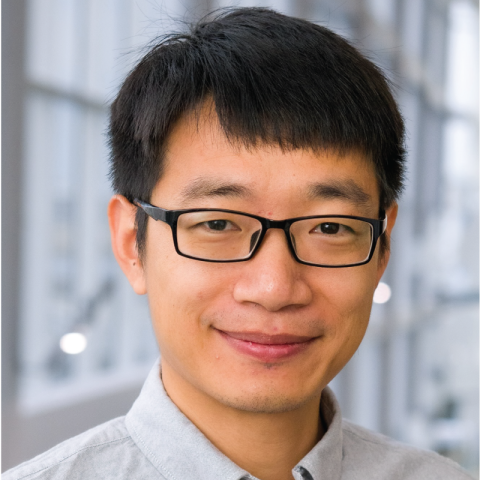
Jinfan Wang
Assistant Professor
Department of Biochemistry
Graduate Program: Biological Chemistry/Molecular Biophysics

Mitochondria are essential organelles that power cellular metabolism, regulate stress responses, and govern cell survival. Consequently, mitochondrial dysfunction is implicated in a vast spectrum of devastating human diseases, including neurodegeneration, metabolic syndromes, and childhood neuromuscular disorders. Yet, despite their clinical significance, how these organelles synthesize their own proteins remains a fundamental biological mystery.
At the core of mitochondrial function is the oxidative phosphorylation (OXPHOS) system, the molecular engine that converts nutrients into ATP, the primary cellular energy currency. Thirteen essential subunits of this system are encoded by mitochondrial DNA and must be synthesized directly inside the organelle by a specialized translation machinery. These proteins are among the most hydrophobic and aggregation-prone proteins in nature, demanding exquisite coordination between protein synthesis, membrane insertion, and assembly into large molecular complexes. In essence, mitochondria must build their own power plants while simultaneously generating energy and critical metabolites for the entire cell. Even subtle disruptions in this process can collapse bioenergetic capacity and trigger cellular failure.
Tracing back to its endosymbiotic origins, mitochondrial protein synthesis has diverged substantially from both its ancestral bacterial roots and contemporary cytosolic counterparts: from a rewired genetic code and atypical tRNAs to protein-rich mitochondrial ribosomes and unique translation factors. As a result, mitochondrial translation represents a fundamental challenge at the intersection of molecular biology and medicine. My research program aims to make this process observable, measurable, and ultimately predictable, transforming mitochondrial translation from a largely opaque “black box” into a quantitatively defined system whose failure modes can be understood and controlled.
We are hiring at all levels! Join us to build a diverse, interdisciplinary research team!
Graduate students: email Jinfan to set up a time to chat about potential research projects.
Technicians/Postdocs/Scientists: email Jinfan with an updated CV and a brief cover letter introducing yourself (with a description of your research experience and future interests).