Our Team
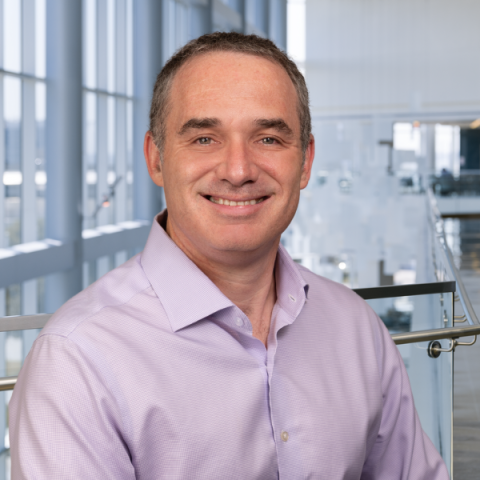
Michael Shiloh, M.D., Ph.D.
Principal Investigator
Dr. Michael Shiloh is an Professor with a joint appointment in the Departments of Internal Medicine and Microbiology. He studies the interactions between Mycobacterium tuberculosis (M. tuberculosis) and the innate, mucosal and neuroimmune systems. He is a member of the Molecular Microbiology and Immunology training programs in the Graduate School of Biomedical Sciences an Investigator in the Peter O’Donnell Jr. Brain Institute.
Dr. Shiloh first developed an interest in biomedical research while studying chemistry and enzymology at Penn State University. As part of the Tri-Institutional M.D.-Ph.D. program in New York City, he graduated from Cornell University with an M.D. and Ph.D. in Immunology with a focus on innate immunity. Dr. Shiloh continued his training at the University of California San Francisco, completing medical residency and infectious diseases fellowship. It was there that his interests in immunology merged with his interest in microbiology, and he applied his efforts towards understanding the global pandemic of tuberculosis, a research focus he continued when he joined the faculty at UT Southwestern.
Dr. Shiloh’s long-term goals are to improve our understanding of M. tuberculosis pathogenesis. For example, his team identified mucosal microfold cells as a portal of entry for M. tuberculosis and characterized the pathogen-host molecular interactions that mediate M. tuberculosis invasion into microfold cells. Within infected macrophages, his lab demonstrated an important role for the host enzyme heme oxygenase and its product carbon monoxide in M. tuberculosis pathogenesis and identified the mammalian proteins cGAS and Smurf1 as vital for the macrophage response and activation of autophagy in response to M. tuberculosis infection. Most recently, his lab described a mechanism for airway nociceptive neuron activation and cough induction by an M. tuberculosis lipid. Collectively, Dr. Shiloh’s research aims to generate a better understanding of the M. tuberculosis infectious cycle, from the role of bacterial-induced cough in mediating transmission, to microfold cell entry and finally intracellular survival.
In addition to his research, Dr. Shiloh is also an attending consulting physician in infectious diseases at UT Southwestern’s Clements University Hospital and Parkland Hospital.
Outside of work, Dr. Shiloh enjoys hiking, running, playing soccer, traveling, and cooking.
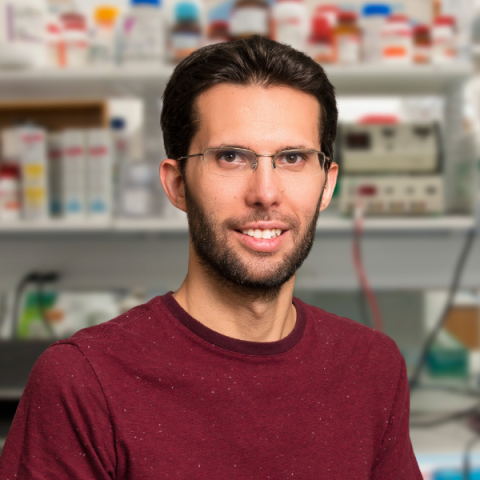
Samuel Alvarez Arguedas, Ph.D.
Instructor
Originally from Spain, Dr. Alvarez Arguedas holds a bachelor's and a master's degree in cell and molecular biology. He obtained his doctoral degree from the University of Zaragoza based on the study of the in vivo transcriptome of M. tuberculosis and the use of a new vaccine candidate as immunotherapy for bladder cancer. In 2018, he moved to Dallas to start his postdoctoral research project: studying and characterizing the role of microfold (M) cells in the development of mucosal immunity against airway pathogens. Outside of work, he enjoys sports - especially basketball and running, spend time with his wife trying new restaurants, and making new friends while reading books.
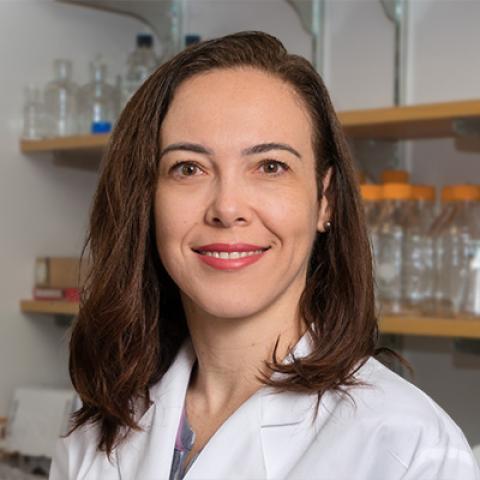
Priscila Campos, Ph.D.
Instructor
Originally from Brazil, holds a master’s degree in biochemistry and a doctoral degree in molecular biology, both from the Federal University of Minas Gerais. After joining the Shiloh Lab as an Assistant Instructor in 2019, she advanced to Instructor in 2021. Ever since the early stages of her career, she has been driven by a profound curiosity to unravel host-pathogen interactions, exploring a range of pathogenic microorganisms, including Trypanosomatids and bacteria such as Brucella and Mycobacteria. Outgoing and dedicated, she is always eager to lend a helping hand to her fellow lab mates. Among her colleagues, she has earned legendary status for her ability to create the most tantalizing carrot cake and craft caipirinhas that are unparalleled in their deliciousness. Feel free to consult Dr. Shiloh, who will enthusiastically vouch for her culinary skills.
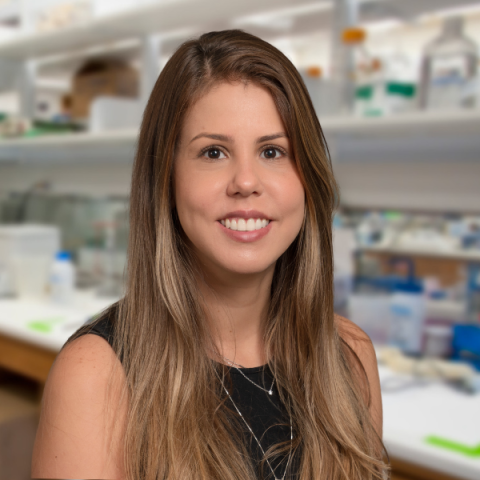
Beatriz Dias, Ph.D.
Instructor
Dr. Dias is a cell biologist who is passionate about cell host-pathogen interaction, encompassing various aspects from cell biology to in vivo experiments. She completed her master's and doctoral training at the Gonçalo Moniz Institute/FIOCRUZ in Brazil. During this period, her research focused on investigating the mechanisms underlying the interaction between Leishmania parasites and macrophages, mainly focused on understanding the role of autophagy in Leishmania infection. To further develop her scientific skills, she moved to the United States in 2020 and joined the Shiloh Lab as a postdoctoral fellow, where her goal has been to unravel the role of the retromer complex component SNX5 in M. tuberculosis antigen presentation and anti-tuberculous host defense. Outside the lab, she enjoys practicing yoga, reading, traveling, and watching tele
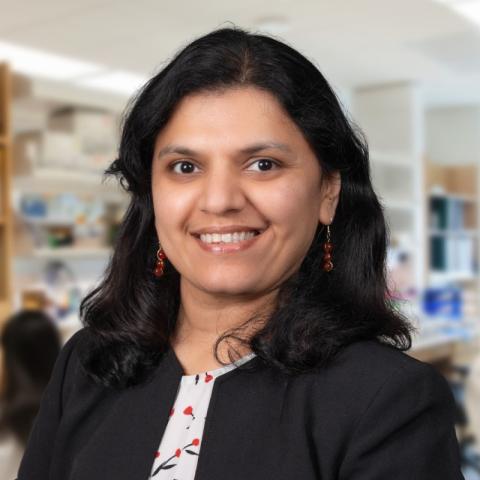
Aditi Deshpande, Ph.D.
Research Scientist
As a Research Scientist in the Shiloh Lab, Dr. Deshpande is currently involved in studying the impact of drug treatment on the bacterial physiology and transmission in tuberculosis. Before joining the Shiloh Lab, she was a post- doctoral fellow at Seattle Children’s Research Institute,exploring drug resistance mechanisms and drug discovery for Mycobacterium tuberculosis. She was mainly involved in the characterization of the respiration inhibitors and studying the mechanism of action of drugs, via cytological profiling. She received her doctoral degree from Texas A&M University; where her research focused on elucidating metronidazole resistance mechanisms in the anaerobic human pathogen Clostridioides difficile and the impact of iron in the pathogenesis. Outside of the lab, she enjoys painting, and exploring new places.
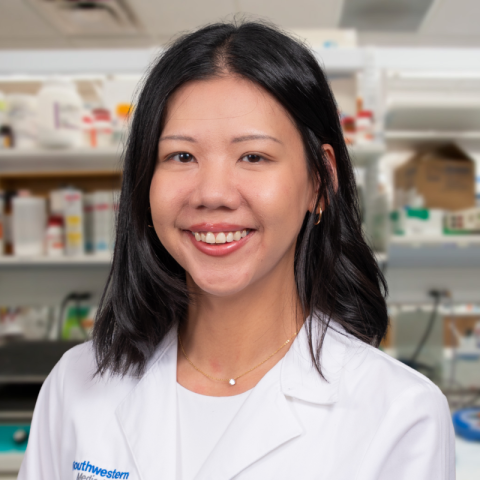
Victoria Eknitphong, M.S.
Research Associate
After graduating from Colorado State University (CSU) in 2014 with her master’s degree in microbiology, Victoria Eknitphong joined Dr. Anne Lenaerts' and Dr. Gregory Robertson’s research team at Colorado State University. During her time there, she engaged in several pre-clinical drug testing trials. They used diverse murine models that closely mimicked the active, chronic, and necrotic phases of M. tuberculosis infection. To further evaluate novel compounds and drug regimens for M. tuberculosis infections, she engaged in PK/PD analysis, MIC assays, and drug resistance studies. Having joined the Shiloh Lab in 2019, she has been developing a humanized in-vitro model of M. tuberculosis and non-tuberculous mycobacteria (NTM) infections using a microfluidic "lung-on-a-chip" device to assess the efficacy of novel host-directed treatments. Beyond her scientific pursuits, she enjoys gaming, producing music, hiking, camping, and watching reality TV shows.
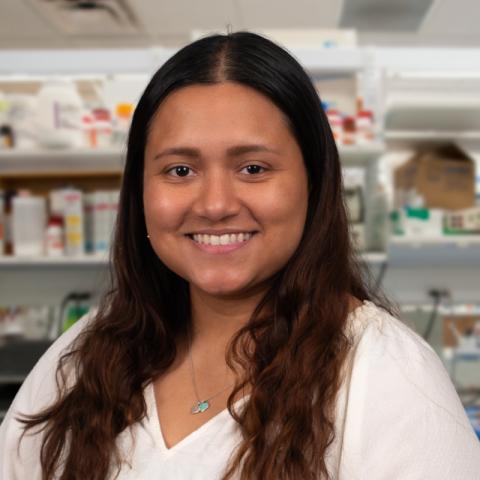
Sara E. Ramirez Vazquez, M.S.
Research Assistant
Sara was born and raised in Tapachula, Mexico. She earned her bachelor’s degree in Biochemistry from Bethany College and completed her M.S. in Biotechnology at The University of Texas at Dallas in 2025. During her master’s thesis research in the lab of Kelli Palmer, she investigated how lysine availability influences antibiotic susceptibility in Group B Streptococcus. Her work focused on characterizing the growth dynamics and lysine-dependent antibiotic responses of Streptococcus agalactiae strain CJB111 under varying metabolic conditions. Sara joined the Shiloh Lab as a Research Assistant in Fall 2025. Her current research focuses on evaluating cough inhibitors that target nociceptive neuronal signaling in vitro, with the goal of preventing neuronal activation induced by Mycobacterium tuberculosis (Mtb) cough agonists. Outside the lab, Sara enjoys watching TV shows, cooking, going for walks, and spending time with her dogs, friends, and family.
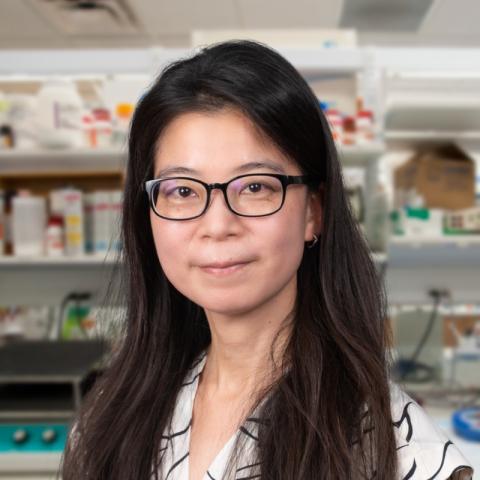
Jen-Jie Lee, D.V.M., Ph.D.
Research Scientist
With training in Veterinary Medicine and Veterinary Pathobiology, Dr. Lee is passionate about using animal models to study disease pathogenesis. Growing up in rural Taiwan surrounded by animals inspired her early interest in infectious diseases and biomedical research. During her postdoctoral training, she focused on developing vaccines against Mycobacterium avium subsp. paratuberculosis in ruminants and used zebrafish models to investigate the pathogenesis of lysosomal storage disorders caused by genetic deficiencies. As a Research Scientist in the Shiloh Lab, Dr. Lee studies the mechanisms underlying cough reflex activation using rodent models. Outside the lab, she enjoys reading, watching documentaries, and spending time with friends.
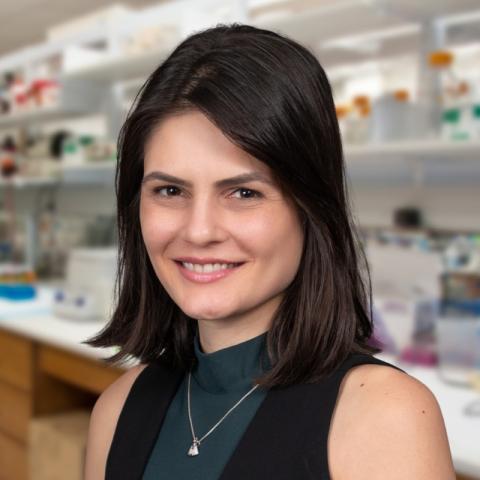
Vanessa Baldin, Ph.D.
Postdoctoral Fellow
Dr. Baldin is a biologist originally from Brazil, where she earned her bachelor’s, master’s, and Ph.D. degrees from the State University of Maringá. She is passionate about microbiology and has worked with mycobacteria for more than 10 years. Before joining the Shiloh Lab, she completed postdoctoral training in Seattle (SCHI), where she further expanded her expertise in drug discovery targeting Mycobacterium tuberculosis. Her current work explores how M. tuberculosis lipids influence cough reflex activation and transmission, an area she is excited to investigate further. Outside the lab, she enjoys trying new recipes and going to the gym.
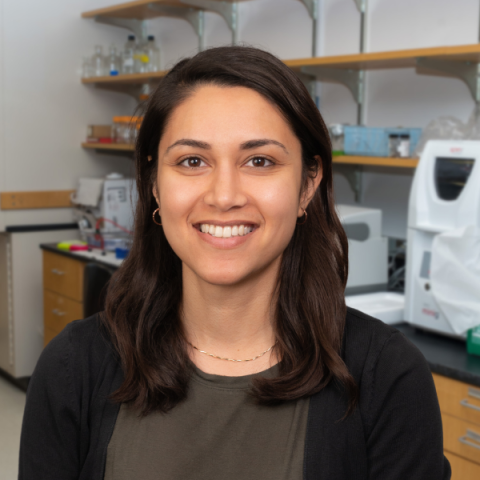
Kubra Naqvi, Ph.D.
Postdoctoral Fellow
As a postdoctoral researcher in the Shiloh lab, Dr. Naqvi's project is focused on the role of M. tuberculosis lipids in cough reflex activation and transmission. She grew up in Northern Virginia but moved to New York to complete her bachelor's degree in biotechnology and molecular bioscience at the Rochester Institute of Technology. Afterward, she moved to Texas for her doctoral training in experimental pathology at the University of Texas Medical Branch, where she studied mechanisms of innate immune dysfunction during M. tuberculosis and HIV co-infection. Outside the lab, she enjoys baking, painting, and catching up on reality TV!
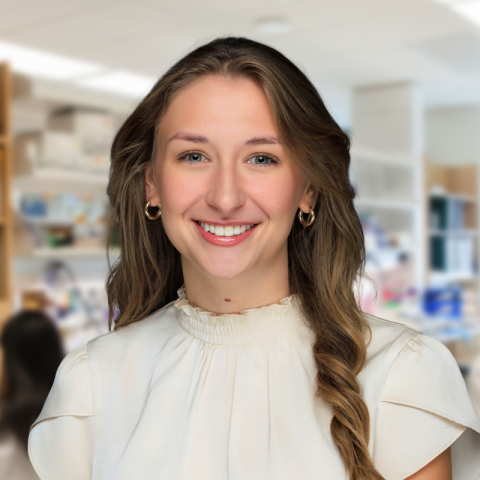
Jenna Hauge
Graduate Student
Jenna Hauge holds a bachelor’s degree in biochemistry and molecular biology from Texas A&M University, where she studied bacterial metabolic signaling as mechanisms of bacterial interaction and antibiotic resistance development. Currently she is pursuing a doctorate in biological chemistry at UT Southwestern, where her work focuses on understanding host immune signaling pathways in response to M. tuberculosis infection. Outside of the lab, she enjoys reading, crafting, and baking.
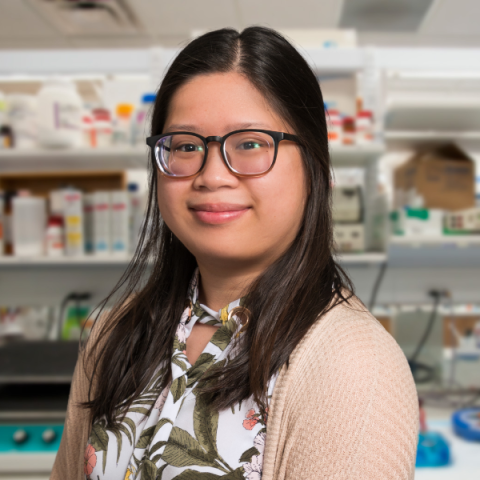
Giaochau Nguyen
Graduate Student
Giaochau Nguyen holds a bachelor's degree in microbiology from the University of Texas at Austin, where she studied the structure and function of a homologous recombination DNA repair complex, BTRR. She joined the molecular microbiology graduate program at UT Southwestern in 2022, where her work focuses on identifying the neuronal mechanism of action of sulfolipid-1, a cough-inducing molecule secreted by M. tuberculosis. In her free time, enjoys reading and crocheting.
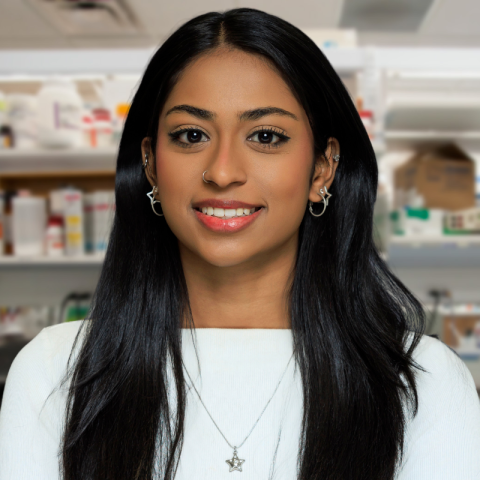
Anika Seelam
Graduate Student
Anika Seelam received her bachelor’s degree in microbiology from Texas Tech University, where she studied the metabolic effects of asymmetric dimethylarginine (ADMA) on breast cancer. Anika joined the immunology graduate program here at UTSW in 2025. She is interested in characterizing novel mechanisms in which M. tuberculosis replication is regulated in macrophages. Outside the lab, she enjoys playing guitar, reading comic books, listening to music, and playing basketball.
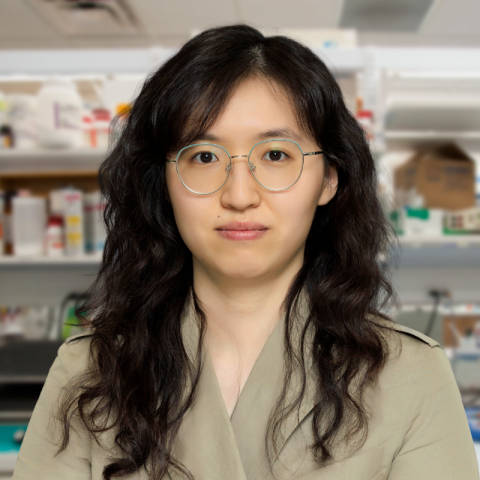
Olivia Shen
Graduate Student
Olivia Shen holds a bachelor’s degree in Immunology and Human Biology from the University of Toronto and a master’s degree in Molecular Microbiology and Immunology from the Johns Hopkins Bloomberg School of Public Health. She joined UT Southwestern in 2025, where her research focuses on host-pathogen interactions and autophagy during Mycobacterium tuberculosis infection. Outside of the lab, she enjoys spending time with family and her cat, as well as reading.
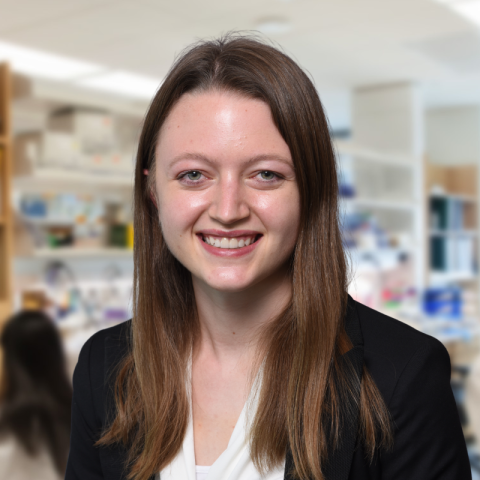
Lois Warden
MSTP Student
Originally from Bryan, Texas, Lois Warden holds a bachelor's degree in biochemistry and molecular biology with a minor in Spanish from Trinity University. As a student in the Medical Scientist Training Program (MSTP), her project is to identify and characterize the molecular mechanisms by which M. tuberculosis causes cough by focusing on the neuro-immunology and pharmacology of nociceptive agonists produced by M. tuberculosis. Outside of the lab, she enjoys running, reading, and traveling.
Our team is a hardworking, collaborative group.
We're always looking for passionate researchers to contribute to our team. As we work to ultimately to develop new vaccines and treatments for Mycobacterium tuberculosis.